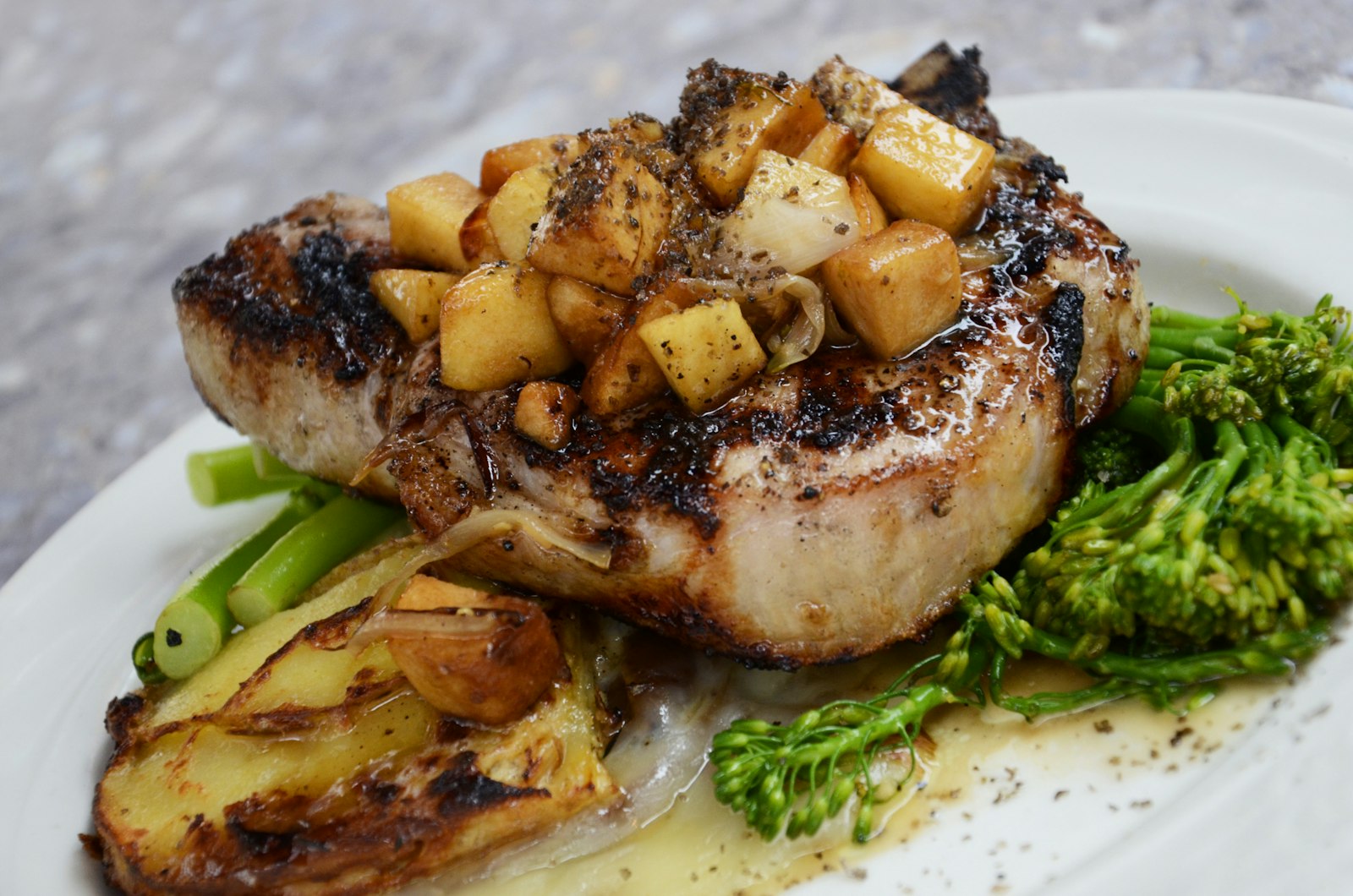
Your Dinner Plate vs. The Headlines: What Science Really Says About Red Meat
9 December 2025
The food world is loud right now, and nowhere is it louder than the debate over red meat. You've heard it all: one day, it’s a protein powerhouse; the next, it’s a major health risk. This confusion is not your fault. It’s what happens when we try to squeeze a complex story into a simple, scary headline.
As an investigative researcher, my job is to look past the noise and straight at the evidence. When we do that, the story of red meat gets a lot clearer—and a lot less scary.
Here is what you need to know to make truly informed choices for yourself, your family, and the planet.
1. The Red Meat Risk is Tiny (and Often Overblown)
When headlines scream about the risks of red meat, they usually refer to studies that link it to things like heart disease or cancer.
Here’s the plot twist: When scientists actually measure the certainty of this evidence, it is consistently rated as low or very low. This means the science can only show a weak correlation - it cannot prove that red meat causes the problem.
And even when a risk is found, it is generally very small.
- For an average person, the increased risk is so minor that it translates to little-to-no effect on your actual, absolute risk of getting a disease
- It's like saying a small umbrella increases your risk of getting wet. Yes, it does (compared to a massive tent) but you’re still talking about a tiny amount of water.
The takeaway? Don't let a headline scare you into thinking a normal, balanced amount of red meat is a guaranteed path to poor health. The certainty of the science simply isn't there.
2. Context Is Everything: What’s on the Rest of Your Plate?
This is the key piece of information the headlines leave out.
Imagine a study that tracks two groups of people who eat red meat:
- Group A eats a lot of fast-food burgers, fries, sugary sodas, and rarely touches a vegetable.
- Group B eats grass-fed steak with fresh salad, fermented vegetables, and plenty of fiber.
In a traditional study, both groups are simply labeled "Red Meat Eaters," and if Group A has health issues, red meat takes the blame!
The truth? The negative effects often linked to red meat are actually tied to a poor overall diet—one that is high in ultra-processed foods, sugar, and low in fiber [1]. When red meat is eaten as part of a healthy, balanced meal (like Group B), the harmful associations often disappear or become neutral [1].
Your mission, should you choose to accept it? Focus on what you add to your plate (fiber, vegetables, whole foods) rather than what you remove. A healthy meal can naturally neutralize potential downsides.
3. Red Meat is a Nutrient Hero
When we talk about food, we must always consider the trade-offs. Cutting out a food is easy, but what are you losing?
Red meat is not just protein; it's a dense, bioavailable source of essential nutrients [1]:
- High-Quality Protein: Crucial for muscle, immunity, and feeling full.
- Bioavailable Iron: Easier for your body to absorb than iron from most plant sources, which is critical for energy and preventing anemia.
- Zinc and B Vitamins: Essential for brain health and metabolism.
For vulnerable groups, like children, pregnant women, and the elderly, eliminating red meat can significantly increase the risk of nutrient deficiencies.
Your Power: Choose Clarity Over Confusion
The food system is a complex web, and there is no single "perfect" diet that works for everyone. This post shows you that:
- The alleged risks of moderate red meat consumption are based on low-certainty evidence
- The true power is in the context of your overall diet
- Removing red meat creates a significant nutritional trade-off
You are the hero of your food journey, and I’m here to be your guide. Stop asking, "What food do I have to remove?" and start asking, "How can I build a balanced, nutrient-dense plate that fits my life and my values?"
That is the most realistic path to a sustainable diet and a healthy future.