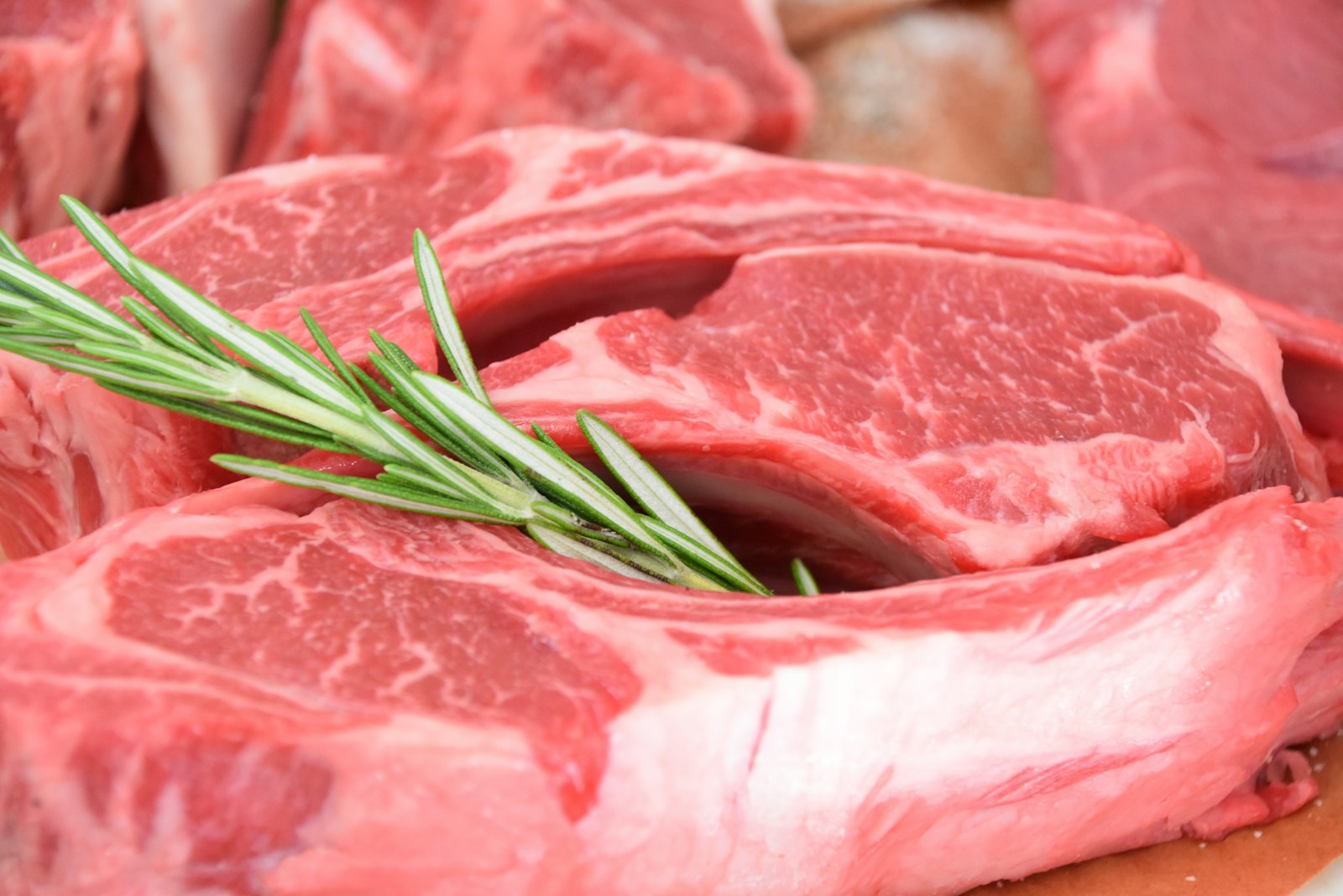
Cutting Through the Smoke: Why Your Butcher’s Cut Beats the Deli Slicer
3 December 2025
The meat debate is confusing because headlines treat all meat as the same. But science, including the comprehensive 2023 review published in Animal Frontiers, shows there is a crucial difference in risk between an unprocessed fresh cut and a heavily preserved product.
For the informed consumer, understanding this distinction is the single most powerful tool you have to cut through the confusion and make smarter health choices.
Unprocessed vs. Processed: The Chemical Distinction
The scientific difference is not about the protein or the fat; it is about the chemical processing used for preservation.
- Unprocessed Meat: Meat that has been minimally altered—usually just cut, chilled, or frozen. (e.g., A fresh steak, roast, or ground beef.)
- Processed Meat: Meat that has been chemically altered for preservation or flavor using methods like curing, salting, smoking, or, critically, adding chemical preservatives like nitrates or nitrites. (e.g., Bacon, sausages, deli ham, and hot dogs.)
Why Processed Meat Carries the Health Warning
The health warning on processed meat stems from the chemical changes that occur after the preservatives are added.
The Nitrate/Nitrite Factor
The key concern with processed meat lies in these preservatives: nitrites and nitrates.
When these chemicals are consumed, they can react with other compounds in the meat within your body to form N-nitroso compounds (NOCs)[These are known to be cancer-causing agents or carcinogens]. It is this chemical reaction—not the protein or the fat—that drives the World Health Organization (WHO) and scientific community to classify processed meat as a higher health risk.
Clarity Check: Relative Risk vs. Your Actual Risk
When you see a headline claiming an "$18%$ increased risk" for processed meat, that is a relative risk number.
- Relative Risk tells you how much more likely one group (high-meat eaters) is to get a disease compared to another group (low-meat eaters).
- It is NOT your actual, absolute risk[Your overall, personal chance of getting a disease is still very low and depends on many other things, like genetics and lifestyle]. The relative risk numbers are important for scientists to identify a consistent pattern, but they do not translate directly into a high personal risk for you.
Understanding the Risk Magnitude and Intake Levels
The relationship between intake and risk is defined very differently for the two categories:
| Meat Type | Intake Level [Daily Average] | Relative Risk Estimate [Compared to No Intake] | Scientific Certainty & Context |
| Unprocessed Red Meat | Up to ≈75 g per day≈75 g per day [About 1.5 small servings] | Associated withno significant risk increase for total mortality or cardiovascular disease. | Low to Very Low Certainty. The evidence for harm is weak. |
| Processed Meat | Moderate Intake Threshold: ≥50 g per day≥50 g per day [About one large hot dog or two slices of deli meat] | Associated with a statistically significant relative risk increase [A measurable, consistent increase]: ≈18%≈18% higher risk of Colorectal Cancer.. | Higher Consistency. Risk is driven by chemical processing (NOCs). |
What About Very High Intake? (75 g to 100 g+ per day)
For those who are heavy consumers, the picture is still defined by the quality of the diet:
- For Unprocessed Meat: Above the ≈75 g per per day level (two small servings or more), some large population studies do find a small, measurable increase in relative risk. [This weak association often disappears when researchers account for diet and lifestyle factors like smoking, low physical activity, and low intake of protective foods like fruits and vegetables.] The risk signal is generally not from the meat itself, which is why the certainty remains low.
- For Processed Meat: Since the risk is already measurable at 50g per day, consistently consuming ≈75 g or more is widely understood to significantly increase that established relative risk due to the accumulated exposure to the chemical additives.
Your Health-Focused Blueprint
The findings from these rigorous studies offer a clear, two-part guideline for your health:
- Limit Processed Meat: Due to the chemical processing (nitrites and NOC formation) and the measurable relative risk increase, treat these foods as occasional indulgences, not daily staples.
- Enjoy Unprocessed Meat in Context: Unprocessed red meat is a nutrient-dense food. Enjoy it in moderation ≈75 g. Prioritize high-quality, fresh cuts and always pair them with a balanced intake of protective foods.
The final takeaway is empowerment: You don't need to eliminate meat entirely. The scientific distinction is clear: focus on whole, unprocessed foods and dietary context to make the biggest impact on your health profile.